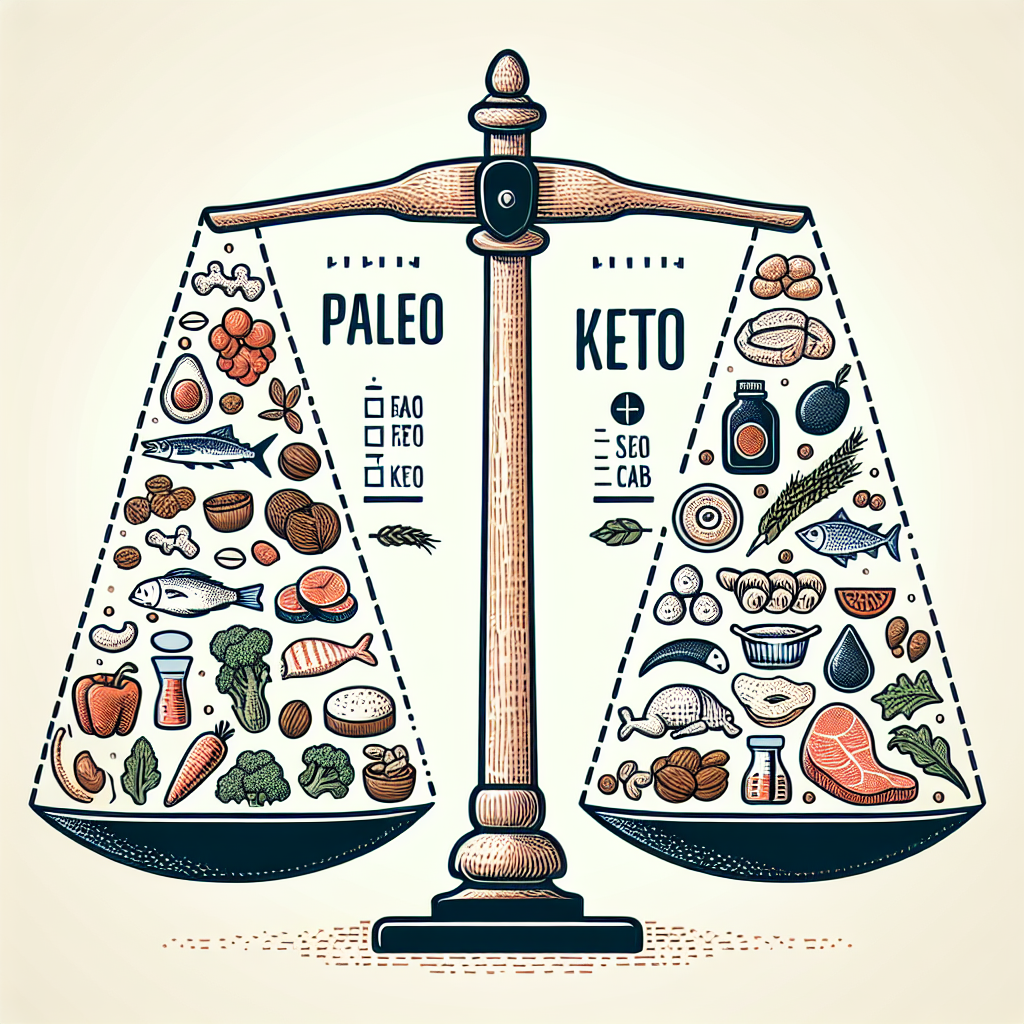
In the quest for optimal health, weight management, and longevity, many have turned to dietary interventions that promise transformative results. Two such diets—the Paleo and the Keto—have garnered significant attention, each boasting a unique approach to nutrition. Despite their differences, both diets aim for improved health outcomes by emphasizing whole foods and reducing processed foods. But which is the better choice for you? This article delves into the specifics of each diet, comparing their principles, benefits, challenges, and potential impacts on health.
The Foundations of the Paleo Diet
The Paleo diet, often referred to as the “caveman diet,” is inspired by the presumed dietary patterns of our Paleolithic ancestors. The fundamental premise is that our bodies are genetically adapted to consume foods that were available before the onset of agriculture.
Core Principles
- Whole Foods Focus: Emphasizes the consumption of whole, unprocessed foods.
- Elimination of Modern Foods: Excludes grains, legumes, and dairy, which only became staples post-agricultural revolution.
- Lean Proteins and Vegetables: High intake of lean meats, fish, fruits, vegetables, nuts, and seeds.
Benefits
The Paleo diet has been associated with various health benefits, including improved glucose control, reduced inflammation, and better heart health. Its emphasis on whole foods and exclusion of processed items naturally leads to a diet rich in nutrients and low in sugar and unhealthy fats.
Challenges
Despite its benefits, the Paleo diet can be challenging to maintain due to its restrictive nature. The exclusion of entire food groups like grains and legumes can make it difficult for some to get adequate fiber and certain nutrients. Additionally, sourcing organic, grass-fed, or wild-caught meats can be costly and challenging for many consumers.
The Keto Diet Explained
The Keto diet, short for ketogenic, is a high-fat, moderate-protein, and extremely low-carbohydrate diet designed to shift the body from using glucose as its primary energy source to using ketones, which are derived from fat.
Core Principles
- High Fat Intake: Approximately 70-80% of total daily calories come from fats.
- Moderate Protein: About 10-20% of daily calories are from protein to maintain muscle mass without converting excess protein to glucose.
- Low Carbohydrates: Limits carbohydrates to 5-10% of daily intake to induce ketosis, a metabolic state where the body burns fat for fuel.
Benefits
The Keto diet has been praised for its ability to promote rapid weight loss and improve insulin sensitivity. It may also have neuroprotective benefits, which is why it was originally developed to treat epilepsy. Advocates claim enhanced mental clarity, sustained energy levels, and reduced hunger.
Challenges
The Keto diet’s strict carbohydrate restrictions can be difficult to adhere to, leading to what is commonly referred to as the “keto flu” during the initial adaptation phase. There are also concerns about the long-term sustainability of the diet, potential nutrient deficiencies, and the impact of high saturated fat intake on cardiovascular health.
Comparing Paleo and Keto
Macronutrient Composition
Paleo and Keto differ significantly in their macronutrient compositions. Paleo is more balanced, with no strict macronutrient ratios, allowing for moderate carbohydrates from fruits and vegetables. In contrast, Keto is highly specific, requiring meticulous tracking to maintain ketosis.
Food Restrictions
Both diets restrict processed foods, but Paleo excludes grains, legumes, and dairy, whereas Keto allows for these in moderation as long as they fit within the carbohydrate limits. This makes Keto slightly more flexible in terms of food choices, though it requires more discipline to maintain ketosis.
Health Outcomes
Both diets have been shown to aid in weight loss, improve metabolic markers, and reduce inflammation, yet the mechanisms differ. Paleo’s benefits are largely attributed to the elimination of processed foods and increased nutrient density, while Keto leverages the metabolic state of ketosis for its effects.
Sustainability
Sustainability is a critical factor in the long-term success of any diet. Paleo’s emphasis on whole, unprocessed foods makes it relatively easy to adhere to once the initial adjustment is made. Keto, however, may require more effort due to the need for precise macronutrient tracking and potential social challenges related to its restrictive nature.
Which is Right for You?
The decision between Paleo and Keto should be based on individual goals, lifestyle, and preferences. Those seeking a more balanced approach with fewer restrictions might find Paleo more appealing. However, for individuals targeting rapid weight loss or specific metabolic conditions, Keto could offer more immediate benefits.
Consulting with a healthcare provider or nutritionist can provide personalized guidance, especially for those with underlying health conditions or unique dietary needs.
Conclusion
Both the Paleo and Keto diets offer unique pathways to improved health, each with its own set of advantages and challenges. Understanding their foundational principles and impacts on the body can empower individuals to make informed dietary choices. Ultimately, the best diet is one that aligns with personal health goals, is sustainable, and provides nutritional adequacy.













Add comment