
“`html
Introduction
In a world where health consciousness is becoming increasingly important, the concept of a low-calorie diet has gained significant attention. While many are aware of its primary goal—weight loss—the benefits of a low-calorie diet extend far beyond just shedding pounds. This article delves into the various perks of adopting a low-calorie lifestyle, offering insights into why it might be a beneficial choice for many individuals.
Understanding Low-Calorie Diets
Before exploring the benefits, it’s crucial to understand what a low-calorie diet entails. Generally, a low-calorie diet involves reducing the daily intake of calories while ensuring the body receives necessary nutrients. The specific caloric intake can vary depending on an individual’s age, sex, activity level, and health goals. Typically, a low-calorie diet might range from 1,200 to 1,800 calories per day, but it’s essential to consult with a healthcare provider or nutritionist to determine the appropriate amount for individual needs.
Weight Loss and Management
One of the most well-known benefits of a low-calorie diet is weight loss. By consuming fewer calories than the body burns, individuals create a caloric deficit, leading to weight loss over time. This process not only helps in shedding excess pounds but also aids in maintaining a healthy weight long-term. For those struggling with obesity or overweight issues, a low-calorie diet can be an effective strategy to reduce health risks associated with excess body weight, such as heart disease, diabetes, and certain types of cancer.
Improved Metabolic Health
A low-calorie diet can lead to improvements in metabolic health markers, such as blood pressure, cholesterol levels, and blood sugar regulation. By reducing the intake of high-calorie, nutrient-poor foods, individuals can lower their risk of developing metabolic syndrome—a cluster of conditions that increase the risk of heart disease, stroke, and diabetes. Furthermore, a diet rich in whole, nutrient-dense foods can enhance insulin sensitivity, making it easier for the body to manage blood sugar levels effectively.
Enhanced Longevity
Research has suggested that calorie restriction may be linked to increased longevity. Studies conducted on animals have shown that a reduction in calorie intake can extend lifespan, and although human studies are still ongoing, the findings are promising. The potential mechanisms behind this include reduced oxidative stress, improved cellular repair processes, and better regulation of metabolic pathways. While more research is needed, the possibility of living a longer, healthier life is certainly an enticing perk of a low-calorie diet.
Boosted Energy Levels
Contrary to the belief that eating less may lead to fatigue, a well-balanced low-calorie diet can actually increase energy levels. By focusing on nutrient-dense foods that provide sustained energy, individuals can experience improved vitality throughout the day. Foods rich in complex carbohydrates, healthy fats, and lean proteins can help maintain steady blood sugar levels, preventing energy crashes and promoting overall productivity and well-being.
Improved Mental Health
The connection between diet and mental health is an area of growing interest among researchers. A low-calorie diet, particularly one that emphasizes whole foods and limits processed items, can have a positive impact on mental well-being. Nutrient-rich diets have been associated with reduced symptoms of depression and anxiety, improved mood, and enhanced cognitive function. The inclusion of omega-3 fatty acids, antioxidants, and essential vitamins and minerals can support brain health and contribute to a more balanced emotional state.
Reduced Inflammation
Chronic inflammation is a contributing factor to numerous health issues, including heart disease, arthritis, and certain cancers. A low-calorie diet, especially one that includes anti-inflammatory foods such as fruits, vegetables, nuts, and seeds, can help reduce inflammation in the body. By minimizing the consumption of processed and high-sugar foods, individuals can lower inflammation markers and promote overall health and disease prevention.
Better Digestive Health
A low-calorie diet that focuses on whole foods can significantly improve digestive health. Fiber-rich foods such as fruits, vegetables, legumes, and whole grains promote healthy digestion by supporting regular bowel movements and fostering a healthy gut microbiome. Additionally, reducing the intake of processed foods and added sugars can alleviate digestive discomfort and contribute to a more balanced gut environment.
Customization and Personalization
One of the advantages of a low-calorie diet is its flexibility and adaptability to individual preferences and needs. Unlike restrictive fad diets, a low-calorie approach allows for personalization, making it easier for individuals to incorporate their favorite foods while still achieving their health goals. Whether someone prefers a vegetarian, vegan, or omnivorous diet, a low-calorie plan can be tailored to accommodate diverse dietary preferences.
Practical Tips for Adopting a Low-Calorie Diet
Transitioning to a low-calorie diet can seem daunting, but with the right approach, it can be a sustainable and enjoyable lifestyle change. Here are some practical tips to get started:
Plan Your Meals
Planning meals in advance can help individuals avoid impulsive eating and ensure that they are consuming balanced, nutrient-rich foods. Setting aside time to prepare meals and snacks can lead to better food choices throughout the week.
Portion Control
Understanding portion sizes is crucial in a low-calorie diet. Using smaller plates, bowls, and utensils can help control portions and prevent overeating. Paying attention to hunger cues and eating mindfully can also contribute to portion control.
Focus on Nutrient Density
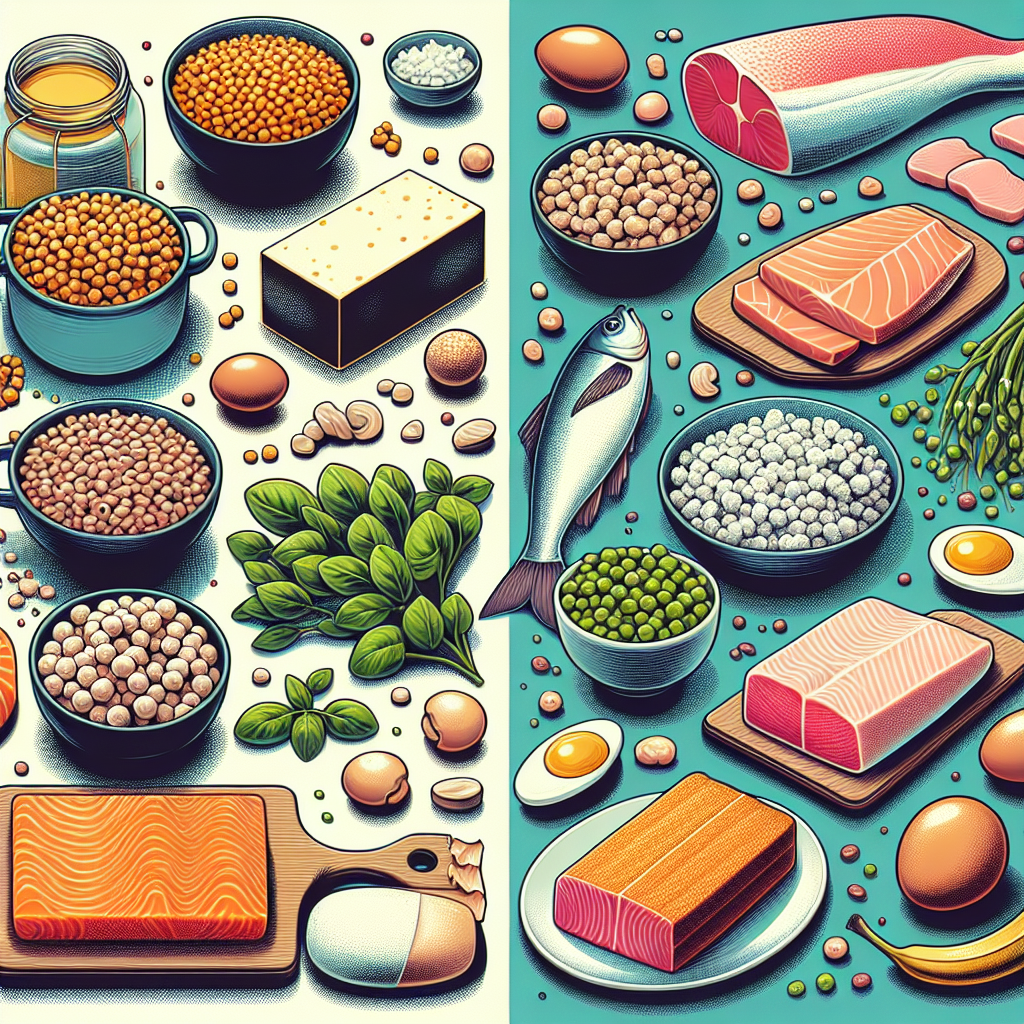
Choosing foods that are high in nutrients but low in calories is essential for maintaining health on a low-calorie diet. Prioritize whole grains, lean proteins, fruits, vegetables, and healthy fats to ensure a balanced intake of essential nutrients.
Stay Hydrated
Drinking plenty of water is vital for overall health and can help manage hunger. Sometimes, the body can confuse thirst with hunger, leading to unnecessary snacking. Staying hydrated can prevent this and support metabolic processes.
Seek Professional Guidance
Consulting with a healthcare provider or registered dietitian can provide personalized guidance and ensure that a low-calorie diet is safe and effective. Professional advice can also help in setting realistic goals and tracking progress.
Conclusion
A low-calorie diet offers numerous benefits beyond weight loss, including improved metabolic health, increased longevity, enhanced mental well-being, and reduced inflammation. By focusing on nutrient-dense foods and adopting mindful eating practices, individuals can enjoy a healthier, more vibrant life. As with any dietary change, it’s essential to approach a low-calorie diet with balance and moderation, ensuring that nutritional needs are met while working toward personal health goals. With the right mindset and support, a low-calorie lifestyle can lead to lasting health benefits and a greater sense of well-being.
“`












Add comment