
Introduction
Low-calorie diets have long been a popular method for individuals seeking to lose weight and improve health. However, these diets often come with a multitude of myths and misconceptions that can lead to confusion and potentially harmful practices. In this article, we aim to debunk some of the most common myths associated with low-calorie diets, providing clarity and guidance for those considering this approach to weight management.
Myth 1: Low-Calorie Diets Are the Only Way to Lose Weight
One of the most pervasive myths about low-calorie diets is that they are the only effective method for weight loss. While reducing calorie intake can lead to weight loss, it is not the sole factor. Weight management is a complex process influenced by numerous factors, including physical activity, metabolic rate, hormonal balance, and genetics.
Moreover, sustainable weight loss often involves a comprehensive approach that includes a balanced diet, regular exercise, and behavioral changes. Instead of focusing solely on calorie reduction, it is crucial to consider the nutritional value of the foods consumed and adopt a holistic approach to health and wellness.
Myth 2: All Calories Are Created Equal
The notion that all calories are the same is a significant oversimplification. While it is true that a calorie is a unit of energy, the source of those calories can have vastly different effects on the body. For example, 100 calories from a sugary soda will affect your body differently than 100 calories from a serving of vegetables.
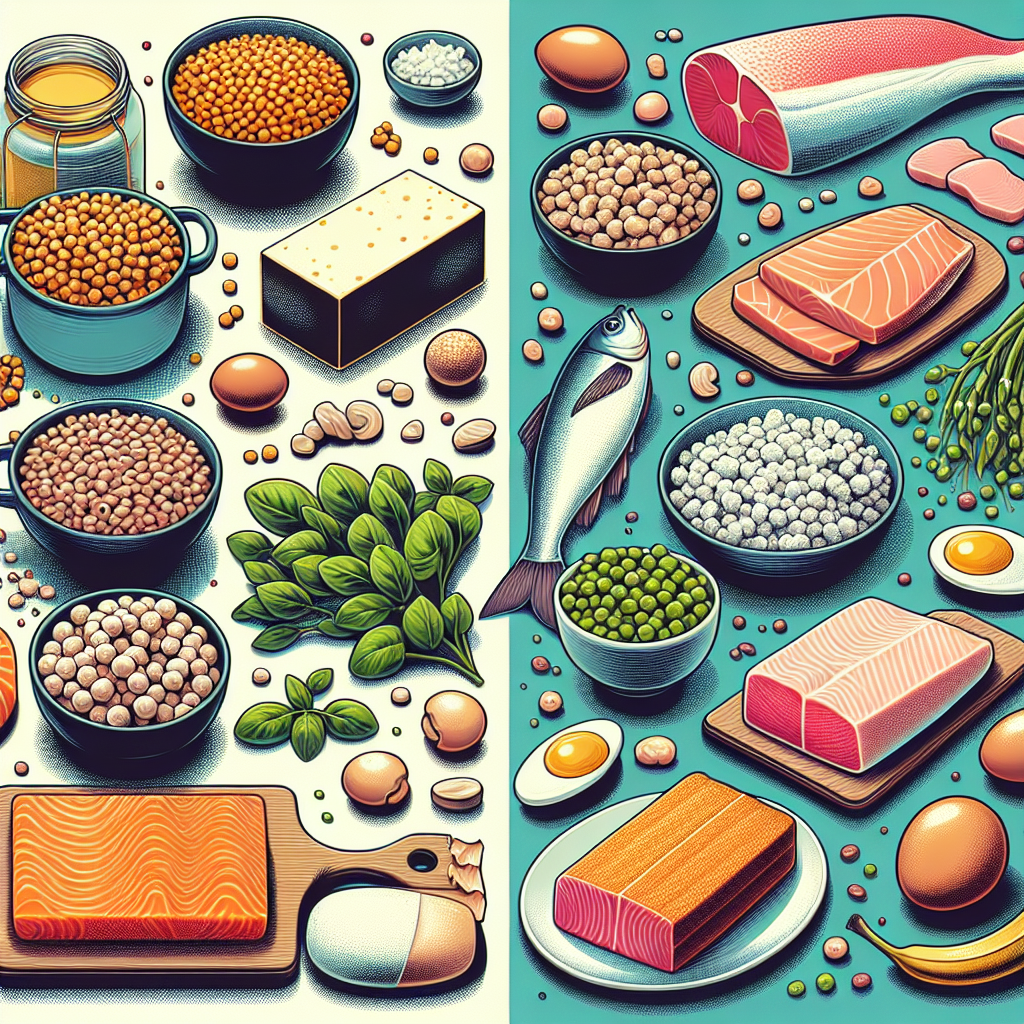
Foods high in refined sugars and unhealthy fats can lead to blood sugar spikes, increased fat storage, and cravings, making it harder to stick to a low-calorie diet. In contrast, nutrient-dense foods such as fruits, vegetables, lean proteins, and whole grains provide essential vitamins, minerals, and fiber that support overall health and can help maintain satiety.
Myth 3: Low-Calorie Diets Are Always Healthy
While low-calorie diets can be beneficial for weight loss, they are not inherently healthy. A diet that is too low in calories can lead to nutrient deficiencies, fatigue, and a weakened immune system. It is essential to ensure that even within a reduced calorie intake, the diet remains balanced and provides all necessary nutrients.
Furthermore, extremely low-calorie diets can slow down metabolism, as the body adapts to a perceived state of starvation by conserving energy. This can make it more challenging to lose weight and maintain weight loss in the long term.
Myth 4: You Can Eat Whatever You Want as Long as It Is Low-Calorie
Another common misconception is that as long as a food is low in calories, it is suitable for a low-calorie diet. This belief can lead to poor dietary choices and neglect of essential nutrients. For instance, low-calorie processed snacks may be appealing but often lack nutritional value and can contain additives and preservatives that are not beneficial to health.
It is crucial to focus on the quality of the calories consumed, prioritizing whole, unprocessed foods that provide a balance of macronutrients and micronutrients. This approach supports overall health and enhances the effectiveness of a low-calorie diet.
Myth 5: Low-Calorie Diets Are a Quick Fix
The promise of rapid weight loss is enticing, but low-calorie diets should not be viewed as a quick fix. While initial weight loss can be rapid, especially if a significant calorie deficit is created, this is often unsustainable. The weight lost in the early stages of a low-calorie diet is often due to water loss and the breakdown of muscle mass rather than fat loss.
Sustainable weight loss requires time, patience, and lifestyle changes that can be maintained long-term. A gradual approach allows for the development of healthy habits and is more likely to result in lasting weight management.
Myth 6: Low-Calorie Diets Are Suitable for Everyone
Low-calorie diets are not appropriate for everyone. Individuals with certain medical conditions, pregnant or breastfeeding women, and athletes with high energy requirements may not benefit from a low-calorie approach and may even experience adverse effects.
It is essential to consult with a healthcare professional before embarking on a low-calorie diet, especially if there are underlying health concerns or specific nutritional needs. Personalized guidance can help ensure that the diet is safe and effective.
Myth 7: Exercise Is Unnecessary on a Low-Calorie Diet
Some believe that a low-calorie diet alone is sufficient for weight loss, negating the need for exercise. However, physical activity plays a vital role in overall health and weight management. Exercise helps to burn calories, build and maintain muscle mass, and improve metabolic health.
Combining a balanced diet with regular physical activity enhances the effectiveness of a weight loss program and contributes to improved cardiovascular health, mental well-being, and longevity.
Myth 8: You Will Always Feel Hungry on a Low-Calorie Diet
While some hunger is to be expected when reducing calorie intake, a well-planned low-calorie diet should not leave you feeling constantly hungry. Choosing nutrient-dense foods that are high in fiber and protein can help promote satiety and reduce hunger.
Additionally, frequent small meals or snacks can help maintain energy levels and prevent excessive hunger between meals. Staying hydrated is also important, as thirst is sometimes mistaken for hunger.
Myth 9: Low-Calorie Diets Lead to Muscle Loss
There is a concern that low-calorie diets inevitably result in muscle loss. While it is true that a calorie deficit can lead to muscle breakdown, this can be mitigated by consuming adequate protein and engaging in strength-training exercises.
Protein is essential for muscle repair and growth, and incorporating resistance exercises helps preserve muscle mass while promoting fat loss. Maintaining muscle mass is crucial for metabolic health and can aid in achieving and sustaining weight loss goals.
Conclusion
Low-calorie diets can be an effective tool for weight loss when approached with mindfulness and care. It is essential to debunk the myths surrounding these diets to avoid common pitfalls and ensure a healthy and sustainable approach to eating. By focusing on nutrient-dense foods, incorporating regular physical activity, and seeking professional guidance when needed, individuals can achieve their weight loss goals while supporting overall health and well-being. Remember, there is no one-size-fits-all approach to dieting, and finding what works best for your body and lifestyle is key to long-term success.












Add comment